















November 10, 2026


Car accidents, even seemingly minor ones, can lead to a range of debilitating injuries, with neck and back pain being among the most prevalent and impactful. The sudden forces involved in a collision can place immense strain on the delicate structures of the spine, resulting in discomfort that can range from mild aches to severe, chronic pain. Understanding the causes, types, and crucial steps for managing neck and back injuries post-accident is paramount for effective recovery and ensuring proper care.
Neck and back pain following a car accident often results from soft tissue injuries, spinal trauma, or disc damage caused by sudden forceful movements. While symptoms can appear immediately, they frequently manifest hours or even days later, making prompt and thorough medical evaluation essential to diagnose underlying conditions like whiplash, sprains, strains, or herniated discs and to initiate appropriate treatment.
The human body is not designed to withstand the rapid acceleration, deceleration, and rotational forces experienced during a car collision. These forces can violently jolt the spine, stretching ligaments, tearing muscles, and compressing or shifting spinal discs. Such trauma can lead to significant pain and functional limitations in both the neck and back.
Whiplash is a common injury stemming from car accidents, particularly rear-end collisions. It occurs when the head is suddenly and forcefully thrust backward and then forward, beyond its normal range of motion, similar to the cracking of a whip. This motion severely strains the muscles, tendons, and ligaments in the neck and upper back. Symptoms typically include neck pain and stiffness, headaches, dizziness, and shoulder pain, which can often be delayed in onset.
"Over 60% of individuals involved in a motor vehicle collision will report symptoms of neck pain, with whiplash-associated disorders being a primary diagnosis." (Estimated Industry Observation)
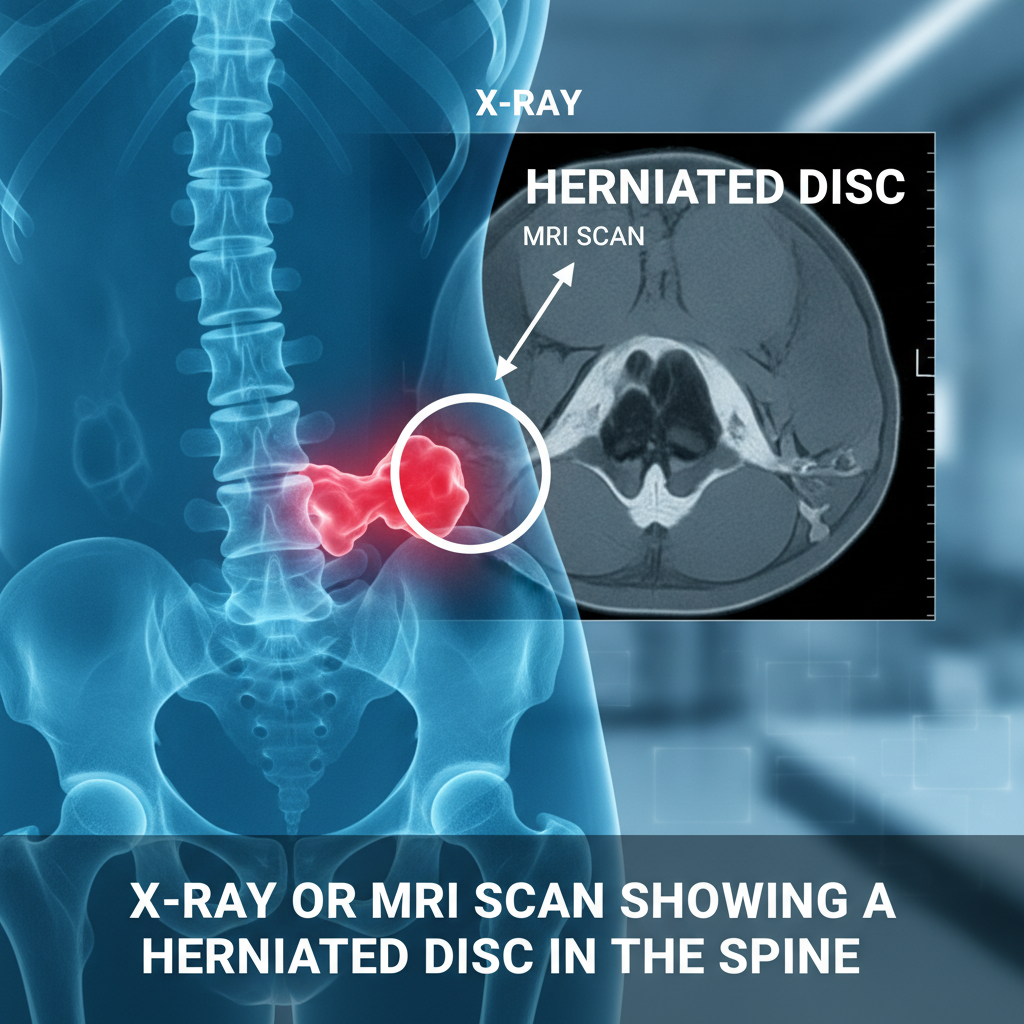
Beyond whiplash, the impact of an accident can directly damage the vertebrae, intervertebral discs, and surrounding nerves. The discs, which act as shock absorbers between spinal bones, can bulge, protrude, or rupture entirely—a condition known as a herniated disc. A herniated disc occurs when the soft, gel-like center pushes through a tear in the tougher outer layer, irritating nearby nerves. This can cause localized pain, numbness, tingling, and weakness that radiates into the arms or legs, often contributing significantly to lower back pain after car accident scenarios.
One of the most critical aspects of neck pain after car accident and back pain after car accident is the potential for delayed symptoms. Adrenaline and shock following an accident can mask pain and discomfort for hours or even days. Injured individuals might feel fine immediately after the event, only to wake up later with severe stiffness, pain, or limited mobility. This delay often leads to individuals dismissing their injuries, delaying critical medical attention, and potentially complicating their recovery.
The spine is a complex structure, and car accidents can injure various components. Recognizing the specific type of injury is crucial for effective diagnosis and treatment.
Injuries to the cervical spine, or neck, are exceptionally common. These can include:
Whiplash: As discussed, this involves strained soft tissues in the neck.
Cervical Sprain/Strain: Overstretching or tearing of ligaments (sprain) or muscles/tendons (strain) in the neck.
Cervical Radiculopathy: Nerve impingement in the neck, often from a herniated disc or bone spur, causing pain, numbness, or weakness radiating into the arm or hand.
Fractures: In severe cases, vertebrae in the neck can fracture, which requires immediate and specialized medical care due to the risk of spinal cord damage.
Injuries affecting the mid-back (thoracic) and lower back (lumbar) are also frequent. Lower back pain after car accident is a particularly widespread complaint.
Lumbar Sprain/Strain: Similar to the neck, overstretching or tearing of ligaments or muscles in the lower back.
Herniated Disc: A ruptured or bulging disc in the lumbar spine is a common source of intense pain, often leading to sciatica (pain radiating down the leg). This is a prevalent cause of debilitating lower back pain after car accident.
Sciatica: This symptom, characterized by pain, tingling, or numbness along the sciatic nerve pathway, often results from a herniated disc or other spinal compression in the lower back.
Vertebral Compression Fractures: Particularly in older individuals, the force of an accident can cause vertebrae to collapse, leading to sharp pain and potential nerve involvement.
Seeking immediate medical attention, even if pain is minor or delayed, is not merely a recommendation; it is a critical step for both health and practical reasons.
Early diagnosis allows for timely intervention, which can significantly prevent minor injuries from escalating into chronic conditions. What might initially present as muscle soreness could, if left untreated, develop into chronic pain, persistent stiffness, nerve damage, or degenerative spinal conditions. In practice, we consistently observe that patients who seek prompt care often experience better long-term outcomes and a more complete recovery. Comprehensive care planning, including physical therapy and pain management, is most effective when initiated early.
Beyond health, a prompt medical evaluation creates an official record of your injuries. This documentation is indispensable for any personal injury claim. Insurance companies often scrutinize delays in seeking medical care, potentially using them to argue that injuries were not severe or were unrelated to the accident. A clear timeline of diagnosis and treatment, beginning shortly after the accident, serves as vital evidence to support your claim for medical expenses, lost wages, and pain and suffering.
⚠️ Warning
Delaying medical evaluation after a car accident can severely complicate your recovery and jeopardise any potential personal injury claim. Documenting your injuries immediately is crucial.
United Personal Injury Care emphasizes a comprehensive, patient-first approach to treatment for neck and back pain resulting from car accidents. Our expertise lies in connecting you with the right medical professionals and ensuring a smooth path to recovery.
For many car accident injuries, conservative treatments are the first line of defense. These often include:
Physical Therapy: Tailored exercises and stretches to restore strength, flexibility, and range of motion.
Chiropractic Care: Adjustments to align the spine and alleviate pressure on nerves.
Medication Management: Pain relievers, anti-inflammatories, and muscle relaxants to manage symptoms.
Massage Therapy: To reduce muscle tension and improve circulation.
These therapies are fundamental to reducing pain and restoring function for conditions like whiplash and muscle strains.
When conservative methods do not yield sufficient relief, more advanced options may be considered, always under the guidance of skilled specialists. These can include:
Epidural Steroid Injections: To reduce inflammation and pain around spinal nerves, particularly effective for herniated disc pain.
Nerve Blocks: To temporarily block pain signals from specific nerves.
Radiofrequency Ablation: A procedure that uses heat to disrupt nerve function and provide longer-lasting pain relief.
These interventional procedures can offer significant relief and are often part of a broader pain management strategy.
Beyond initial pain relief, rehabilitation focuses on long-term recovery and preventing recurrence. This includes:
Occupational Therapy: To help patients regain the ability to perform daily tasks and return to work safely.
Home Exercise Programs: Empowering patients with tools for self-management and continued improvement.
Lifestyle Adjustments: Guidance on posture, ergonomics, and activity modification to protect the spine.
Based on real-world results, a multi-modal approach integrating various therapies typically yields optimal recovery for complex injuries.
Navigating the aftermath of a car accident and managing neck pain after car accident or back pain after car accident requires a clear, decisive approach.
Your health is the priority. Even if you feel only minor discomfort, consult a doctor immediately. This ensures that any underlying injuries are diagnosed quickly and properly documented. Describe all symptoms, no matter how minor, including lower back pain after car accident or any radiating sensations.
Maintain meticulous records of all medical appointments, diagnoses, treatments, medications, and any related expenses. Keep a detailed journal of your symptoms, their severity, and how they impact your daily life. This comprehensive documentation is invaluable for both your medical team and any legal proceedings.
Understanding your rights and options after an accident can be complex. Consulting with a personal injury specialist can provide clarity and support. They can guide you through the process, connect you with appropriate medical providers, and help ensure your rights are protected. Our firm, United Personal Injury Care, has built a reputation on customer-first service, trust, and competence, ensuring you receive the care you need and deserve.
Neck and back pain after a car accident are serious conditions that demand prompt and expert attention. The forces of a collision can cause a range of injuries, from whiplash to a herniated disc, often with delayed symptom onset. Early medical evaluation is critical for effective treatment, preventing chronic pain, and ensuring proper documentation for any legal or insurance claims. A comprehensive approach to care, including conservative therapies, advanced pain management, and rehabilitative strategies, is essential for a full recovery. Trust in a competent team to guide you through this challenging time.
For expert guidance and comprehensive support following a car accident, contact United Personal Injury Care today. Your well-being is our priority.